Low Fade vs Mid Fade: Which Suits Your Face Shape Best?
Choosing between a low fade and a mid fade isn't just about following trends. It's about finding a style that complements your face shape, reflects your personal style, and fits into your daily routine. This article dives into the differences between these two cuts, how each one matches different face shapes, gives you maintenance tips, and offers professional advice to leave the salon feeling confident. If you're in Jauca and need expert help, our barbers at LR Barber can guide you to the perfect style.
But before we get too deep, remember that clearly communicating your expectations to your barber is key to getting the look you want. If you're considering a cut with some professional advice, think about booking an appointment with our team. We offer personalized cuts that match your style and hair type, and we can even combine your fade with a beard trim or a professional shave if that's what you need.
Why the Type of Fade Matters
The Look You Get with a Fade
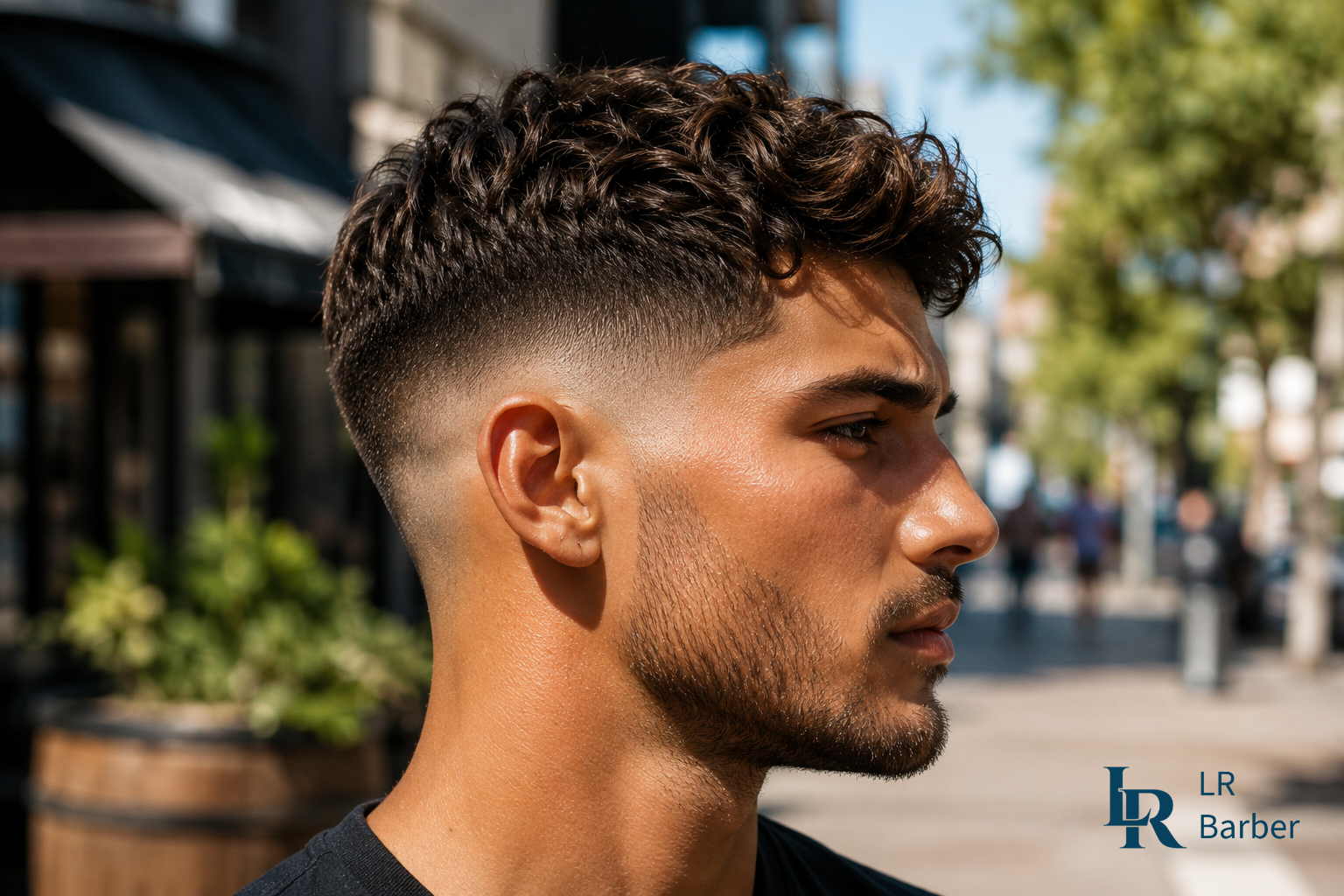
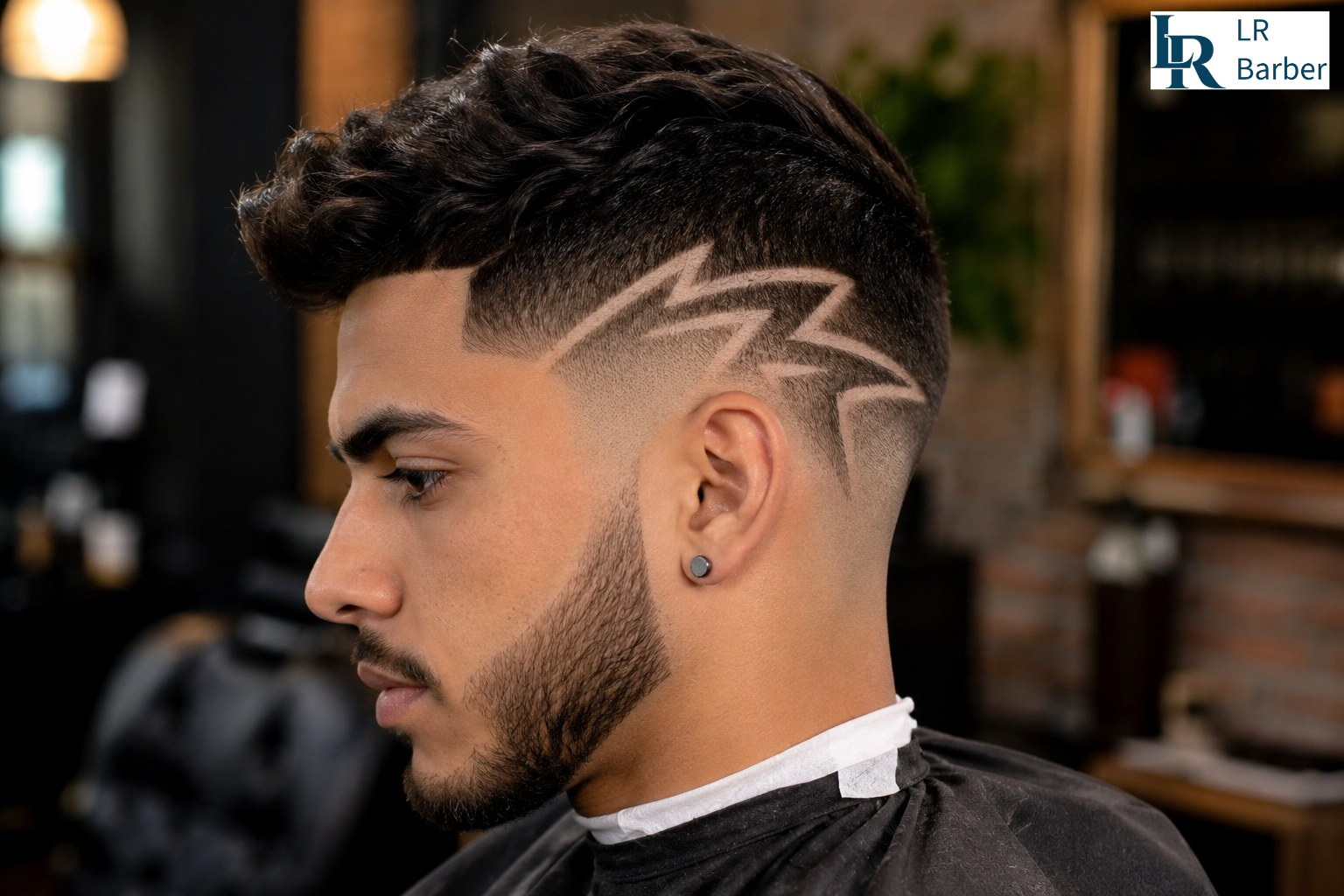
A well-done fade can really change how your facial features are perceived. While a low fade gives a gentle transition from the sides to the top, a mid fade creates sharper lines that enhance structure. Both styles let you play with lengths and textures on top, making them versatile for both formal and casual looks.
Understanding where the fade starts—just above the ears for a low fade or around the temples for a mid fade—is crucial for deciding which will look best with your face shape. This choice not only affects your immediate appearance but also how you age visually and the level of maintenance each cut requires.
Common Goals When Choosing a Fade
When someone walks into the salon, they're usually aiming for one of a few things: projecting professionalism, adding a modern touch, or reducing volume on the sides to balance the face. A low fade tends to align with more conservative and clean goals, while a mid fade is often chosen for a bolder, more contemporary look.
Plus, many guys want a cut that's easy to maintain between barber visits. That means understanding your hair's growth rate and texture helps decide if a pronounced or softer fade will work for your lifestyle.
Definitions and Technical Differences
What Is a Low Fade?
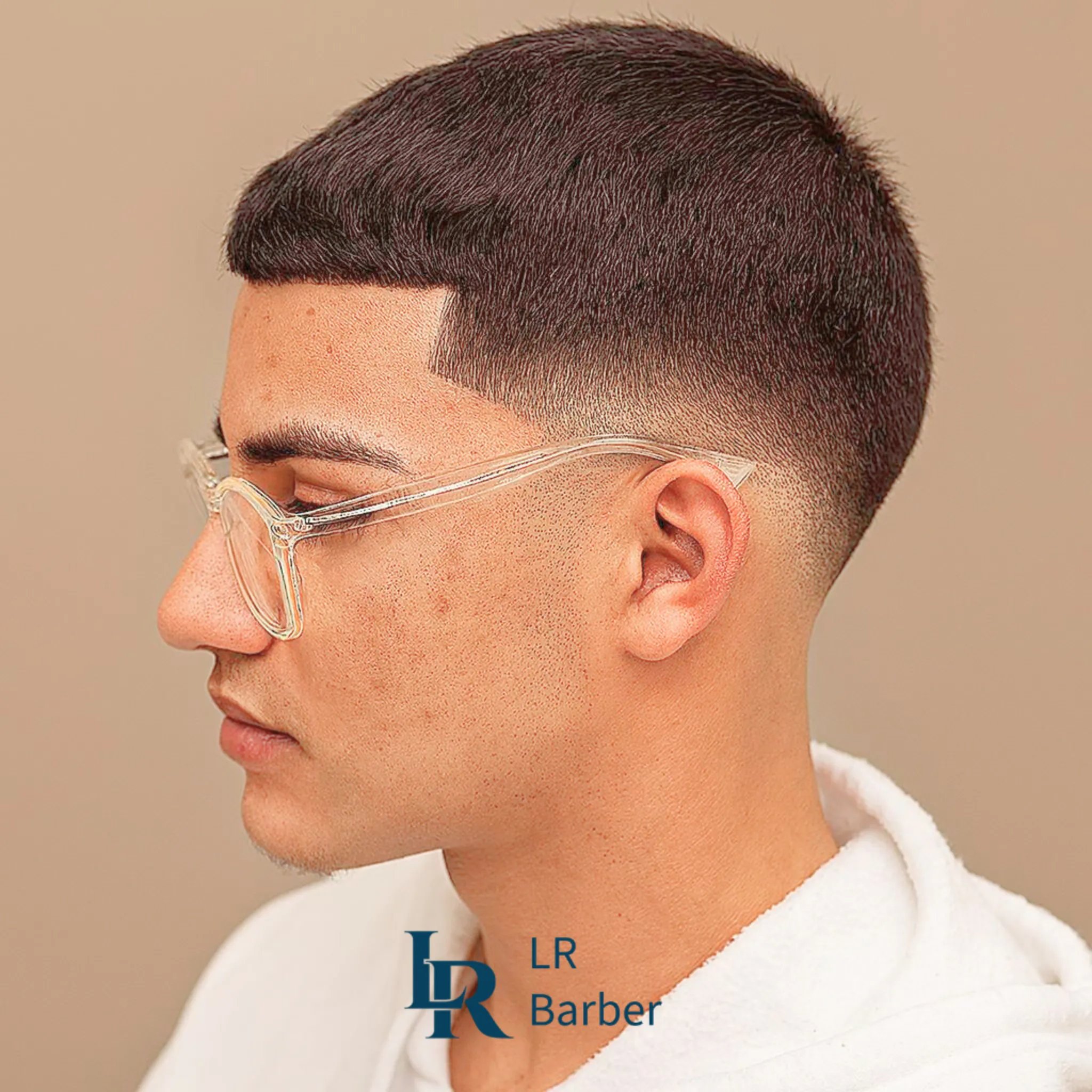
The low fade starts just above the ears and gradually tapers down to the neck, creating a smooth transition that keeps more volume on top and around the temples. This style is loved for its subtlety and ability to blend with more classic or formal cuts.
Technically, the barber usually uses shorter clippers at the base and blends with scissors or a razor for a softer transition. The result is a neat finish that looks professional and controlled, ideal for work settings or those who prefer a less flashy look.
What Is a Mid Fade?
The mid fade begins around the temples, creating a more pronounced contrast between the sides and the top. This placement gives the impression of a more angular and defined cut that can stylize features and give a youthful, daring vibe.
Technique-wise, the mid fade requires precision in starting the gradient and careful control of intermediate lengths. Experts combine clippers, scissors, and texturizing techniques to achieve a natural drop that complements the head shape and hairline.
Quick Comparison: Look and Maintenance
Visually, the low fade offers discretion and softness; the mid fade provides structure and presence. Both require regular touch-ups (every 2-3 weeks) to maintain definition, but the mid fade might show uneven growth faster due to the higher contrast between the top and sides.
If you're interested in a service that combines haircut and facial care, at LR Barber we offer beard trimming and shaving services that complement any fade, giving a more cohesive and polished finish.
How to Identify Your Face Shape
Four Easy Steps to Measure Your Face
Figuring out your face shape is the first step in choosing between a low fade or mid fade. First, look at your forehead, cheekbones, jawline, and overall face length. Second, measure or observe to classify your face as oval, round, square, or heart-shaped. Third, consider the width of your jaw versus your forehead. Finally, look for dominant features: strong angles or soft curves.
A practical method is using a well-lit, front-facing photo without a beard or accessories, tracing the contour line visually and comparing it with common categories. This will help you better communicate what you want to your barber.
Common Face Shapes and Features
Oval face: natural balance between length and width, with slightly prominent cheekbones; generally suits almost any fade. Round face: wide cheeks and soft jawline; fades that visually elongate the face work best. Square face: strong jaw and marked angles; a fade that softens or emphasizes the structure depending on the goal can be ideal. Heart-shaped face: wider forehead and narrow chin; a mid fade can balance the proportions by adding structure at the temples.
Remember, these are guidelines, not strict rules: personal style, hair texture, and density also influence the final result.
Practical Examples to Recognize Yourself
If your cheeks occupy a large part of your face when you smile, you might have a round shape. If your chin and forehead have similar proportions and your face looks balanced, you could be oval. Look at old and current photos to see patterns and how different cuts have suited you or not.
For more technical information on growth patterns and how they affect the cut, check out our related guide on hair growth patterns: How Hair Growth Patterns Affect Your Haircut Result, where we explain how to adapt cuts according to the natural direction of the hair.
Which Fade Works Best for Each Face Shape
Round Face: Recommendations and Variants
For round faces, we aim to create the illusion of length and angle. A mid fade with more height on top and texture can help elongate the face visually. Adding controlled volume on top and avoiding cuts that keep too much volume on the sides contributes to a more streamlined balance.
Alternative: a low fade with clean side lines can also work if combined with an angular hairstyle or a defined side part that breaks the natural curve of the face.
Square Face: Soften or Emphasize
For square faces with a marked jaw, the goal can be to soften or emphasize the angles. A low fade tends to soften the transition and maintain a classic look, while a mid fade can accentuate the structure for a more modern look. If you prefer a softer appearance, opt for a low fade with rounded finishes at the top.
If you're looking to highlight masculinity and strong lines, a mid fade with defined edges and much more worked texture on top will make your jaw stand out even more.
Oval and Heart-Shaped Faces: Ideal for Experimenting
Oval faces are usually versatile and accept both low and mid fades with good results. A mid fade can add dynamism and modernity while a low fade maintains a more traditional profile. For heart-shaped faces, the mid fade usually balances the wider forehead by reducing side volume and adding harmony.
In both cases, the key is adjusting the length and top texture to maintain proportion. Working with a barber who understands your aesthetic goal makes the difference between a cut that simply looks good and one that truly complements your face.
Hair Texture and How It Influences Your Choice
Straight and Fine Hair
If your hair is straight and fine, a low fade can help create a smoother transition that hides the lack of side density. Keeping some length on top and lightly texturizing helps create the illusion of more volume without losing control. Also, using light products that add body will be key to maintaining the style.
A mid fade on fine hair can work if enough density is maintained on top and an extreme contrast that shows scalp lines is avoided.
Thick or Curly Hair
Thick or curly hair lends itself well to fades because the texture adds movement and shape. A mid fade combined with a textured cut on top can look modern and with a lot of presence, while a low fade offers a more controlled and classic option for those who prefer less contrast.
In beards and shaves, adapting the fade to the overall style is important: a professional shave can help maintain sharp lines that complement the natural hair texture.
Receding Hairline or Bald Spots
If you have a receding hairline or bald spots, choosing a mid fade can redirect attention to the upper hairstyle and create the illusion of more frontal density. However, the decision depends on how much recession there is: sometimes a low fade with forward styling and styling products is less risky and more natural.
Discussing it with your barber is essential: professional experience helps create a balance between style and realism according to the hair's growth pattern.
Maintenance, Products, and Barber Visit Frequency
Recommended Trim Frequency
To keep a fade defined, the general recommendation is to visit the barber every 2-3 weeks. This applies to both low and mid fades, although the mid fade may require more frequent adjustments if you want very sharp lines due to the greater contrast between lengths.
If you lead a busy life or prefer to stretch more time between cuts, consider a low fade with a smoother transition that tolerates growth better. You can also ask your barber for a personalized maintenance plan based on how fast your hair grows.
Ideal Products Depending on the Fade
The products you use depend on the finish you're looking for. For a natural look with a low fade, a light product like cream or hair milk works well. For mid fades with more marked texture, medium-hold waxes or matte pomades help control volume and define shape.
Also, using an appropriate shampoo and scalp treatments will maintain hair health and improve the overall appearance of the cut. If you wish, at LR Barber we also offer skin care treatments that help maintain a clean and healthy base for beard and hair.
Home Maintenance Tips
Between visits, brush or comb your hair daily to maintain shape. Wash with a gentle shampoo and use conditioner as needed; avoid products that over-grease if your goal is a matte finish. To keep the sides clean, some men use light clippers at home, but we always recommend the precision of a professional barber to avoid mistakes.
If you seek specific product recommendations based on your hair type, ask your barber at your next visit for personalized suggestions.
Real Cases and Celebrity Examples
Celebrities with Mid Fade
Public figures like Michael B. Jordan and Ryan Gosling have sported versions of the mid fade that show how this cut can complement oval faces and defined structures. Their choices demonstrate the versatility of the mid fade: it can be elegant on the red carpet or casual on the street, depending on the top hairstyle and texture.
These examples also show that the mid fade works well with different beard styles, from a few days' stubble to a more defined and worked look.
Celebrities with Low Fade
Celebrities who prefer a more classic or conservative approach often opt for low fades or subtle gradients that maintain a timeless aesthetic. These cuts show how the low fade can easily integrate into formal and corporate styles, providing a polished finish without drawing excessive attention to the sides.
Seeing how public figures adapt fades to their faces can give you ideas on what direction to take with your own look.
Local Case Study: LR Barber in Jauca
At LR Barber, we've advised clients in Jauca and Santa Isabel on choosing between low and mid fades based on their features, lifestyle, and work requirements. A common case was a client with a round face who initially wanted a low fade; after a professional consultation, we opted for a mid fade with more height on top to elongate the face visually, with excellent results that boosted his personal confidence.
If you want a personalized evaluation, you can visit us at our barbershop or book an appointment through our website lrbarber.com and speak with a professional who will guide you step by step.
FAQs and Solutions to Common Problems
Which Is Easier to Maintain: Low or Mid Fade?
In general, the low fade can tolerate more time between cuts because of its softer transition. However, both styles require periodic visits every 2-3 weeks to maintain definition. If you prefer to space out trims, go for a low fade with a less marked transition.
The choice also depends on how fast your hair grows and the contrast you want. Discuss it with your barber to adjust the starting line and the fade's hardness.
Does the Fade Affect Hair Health?
A fade itself does not damage hair if done with professional technique and clean tools. However, keeping the scalp and hair fiber healthy is important. For information on hair health and recommended care, check resources from medical authorities like the American Academy of Dermatology, which offers guides on hair and scalp care: American Academy of Dermatology - Hair Care.
If you experience irritation or scalp problems after a cut or shave, consult a professional to identify the cause and appropriate treatment.
Can I Combine Fade with Coloring or Treatments?
Yes. Many clients combine fades with coloring or treatments to add dimension. A mid fade combined with color touches on top can intensify contrast and modernize the look. Be sure to discuss the compatibility of chemical processes with your barber and stylist to maintain hair health.
If you're considering a color change, our hair coloring services can be carefully integrated with your fade for a uniform and professional result.
Final Recommendations and Step-by-Step Guide for Your Barber Visit
Preparation Before the Appointment
Arrive with reference photos and be clear about the maintenance you can commit to. Communicate your daily routine and level of commitment to frequent trims. If you regularly use products, bring them or mention brands so the barber can adapt the technique to your hair's real behavior.
Explore examples in magazines or social media, but stay flexible to adjust the cut to your head shape and hair pattern.
During the Cut: Key Questions for Your Barber
Ask about the fade's starting point, the guard graduation to be used, the texturizing technique, and product recommendations. Request that the barber shows the process and checks symmetry as the cut progresses. If in doubt, ask for small changes before finishing to avoid surprises.
At LR Barber, we strive for continuous communication with the client: from the initial consultation to the final finish, your opinion guides the result.
After the Cut: Recommended Maintenance
Follow product recommendations and schedule the next appointment within 2-3 weeks if you want to maintain the fade's definition. Learn simple techniques to style at home and avoid drastic home trims to not ruin the lines made by a professional.
If you need combinations with complementary services like customized cuts or beard adjustments, our team can create a complete plan to maintain your style long-term.
Choosing with Intention
The choice between a low fade and a mid fade depends on several factors: your face shape, hair texture, lifestyle, and how much maintenance you're willing to take on. A low fade offers discretion and ease; a mid fade provides structure and a modern look. The best way to decide is to consult with an experienced barber who can evaluate your features and recommend a personalized version of the fade.
At LR Barber, your trusted barbershop in Jauca, Puerto Rico, we combine technical expertise with personalized attention to help you find the fade that suits you best. Book your appointment today and let us advise you in person: you can contact us at lrbarber.com or visit the barbershop for a direct consultation.
To expand your knowledge about hairstyles and trends, the general hairstyle encyclopedia offers historical context and variations: Wikipedia - Hairstyle. Additionally, for scientific readings on hair growth and health, you can consult research available in medical repositories like PubMed Central: NCBI / PubMed, where you'll find studies explaining how growth patterns influence haircut outcomes.
Ready to Try a New Fade?
Visit us at LR Barber in Jauca or book your appointment online. Our team will help you choose between a low fade or mid fade based on your face, style, and routine. Don't forget to take advantage of our complementary services like beard trimming and professional shaving for a complete finish. Call us at 939.270.2424 or email us at info@lrbarber.com to schedule your next session.